
Blockchain Beyond Cryptocurrency: Real-World Use Cases Transforming Industries
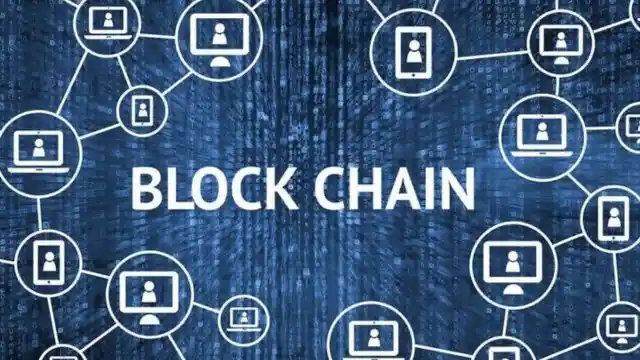
Blockchain is often associated only with cryptocurrencies, but its potential extends far beyond digital money. At its core, blockchain is a distributed ledger technology that enables secure, transparent, and tamper-resistant data exchange.
As organizations seek greater trust, accountability, and automation, blockchain is emerging as a foundational technology for next-generation digital systems.
What Makes Blockchain Unique?
Blockchain records data in immutable blocks distributed across multiple nodes. Once information is added, it cannot be altered without consensus.
This decentralized structure eliminates the need for intermediaries, reduces fraud, and improves data integrity across digital ecosystems.
Enterprise Adoption of Blockchain
Enterprises are increasingly adopting permissioned blockchain networks to improve transparency and streamline operations.
Unlike public blockchains, enterprise blockchains offer controlled access, governance, and regulatory compliance.
Key Industry Use Cases
- ✔ Supply chain traceability and logistics
- ✔ Secure digital identity management
- ✔ Smart contracts and automated agreements
- ✔ Healthcare data integrity and sharing
- ✔ Financial settlements and reconciliation
Blockchain in Supply Chain Management
Supply chains involve multiple stakeholders, making transparency and trust difficult. Blockchain enables real-time tracking of goods from origin to destination.
This visibility reduces fraud, improves compliance, and increases consumer confidence in product authenticity.
Smart Contracts and Automation
Smart contracts are self-executing agreements written in code. They automatically enforce terms when predefined conditions are met.
This automation reduces manual intervention, minimizes disputes, and accelerates business processes across industries.
Decentralized Identity Systems
Digital identity is a growing concern in an increasingly online world. Blockchain enables users to control their identity data without relying on centralized authorities.
Decentralized identity systems enhance privacy, reduce identity theft, and improve verification processes.
Challenges in Blockchain Adoption
Despite its benefits, blockchain faces challenges such as scalability, interoperability, and regulatory uncertainty.
Organizations must carefully evaluate use cases, infrastructure requirements, and governance models before adoption.
The Role of Blockchain in Web3
Blockchain is the foundation of Web3, enabling decentralized applications, tokenized assets, and user-owned digital ecosystems.
This shift empowers users, reduces platform dependency, and introduces new economic models for the digital economy.
The Future of Blockchain Technology
As scalability solutions mature and standards evolve, blockchain adoption will accelerate across both public and private sectors.
Organizations that explore blockchain beyond cryptocurrency will unlock new levels of trust, efficiency, and digital innovation.